
The 2 a.m.
scratching
stops here.
We map every centimeter of inflamed skin, calibrate immunosuppressant dosing to the nanogram, and write treatment protocols with your name on them — not a generic leaflet.


4.9/5 from 847 patient assessments
Step 1 of 3 — Patient Profile
Who is the patient?
We calibrate every assessment to the patient's age — skin physiology changes everything.
Which image matches most closely?
Select the severity that best represents your current condition. No perfect match required.
Mild Dryness
Slight roughness, occasional itch
Moderate Inflammation
Redness, persistent itch, some scaling
Severe Eczema
Cracking, bleeding, widespread lesions
Crisis — Weeping Lesions
Open wounds, weeping, infection risk
How long have you been managing this?
Duration shapes our diagnostic pathway. Long-standing cases require a different entry point.
Your skin is not just dry. It is structurally compromised.
Eczema is a barrier disease, not a surface condition. Every cream that failed you was treating the symptom, not the architecture. Tap each layer to understand why.
Cross-Section Diagram — Tap a Layer
Stratum Corneum
The Broken Outer Shield
Living Epidermis
Immune Overactivation Zone
Dermis
Nerve Sensitization
Subcutaneous Layer
Systemic Inflammatory Signal
Diagram not to scale. Illustrative of inflammation pathways.
Stratum Corneum
In eczema, this layer loses 40% of its ceramide content — the mortar between skin cells crumbles, allowing water to escape and irritants to flood in.
Living Epidermis
Th2 and Th22 immune cells flood this layer, releasing IL-4, IL-13, and IL-31 — the cytokines that drive itch, inflammation, and the itch-scratch cycle.
Dermis
Chronic inflammation sensitizes C-fiber nerve endings here, lowering the itch threshold so that even light touch or warmth triggers the cascade.
Subcutaneous Layer
Mast cells and dendritic cells in this layer prime the systemic immune response — explaining why severe eczema correlates with asthma, food allergy, and hay fever.
"We don't prescribe to the surface. We prescribe to the mechanism."
— Flare Clinical Protocol, 2026
Not case studies. Patient records.
Time-to-improvement data from actual Flare patients. Severity scored using validated EASI, SCORAD, and IGA instruments — the same tools used in clinical trials.
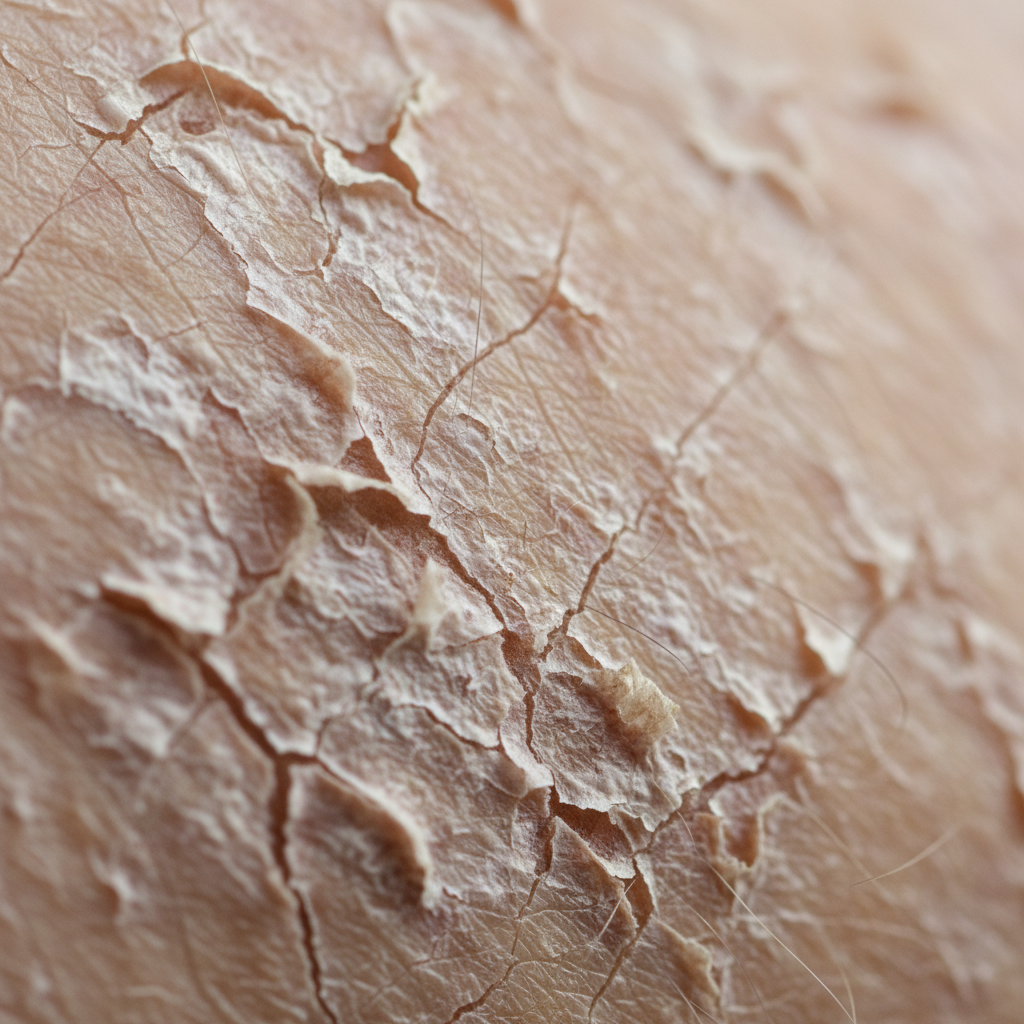
Moderate Eczema — Adult
Score change
EASI score 28 → 4
Time
6 weeks
Protocol: Dupilumab + ceramide barrier repair
Female, 34
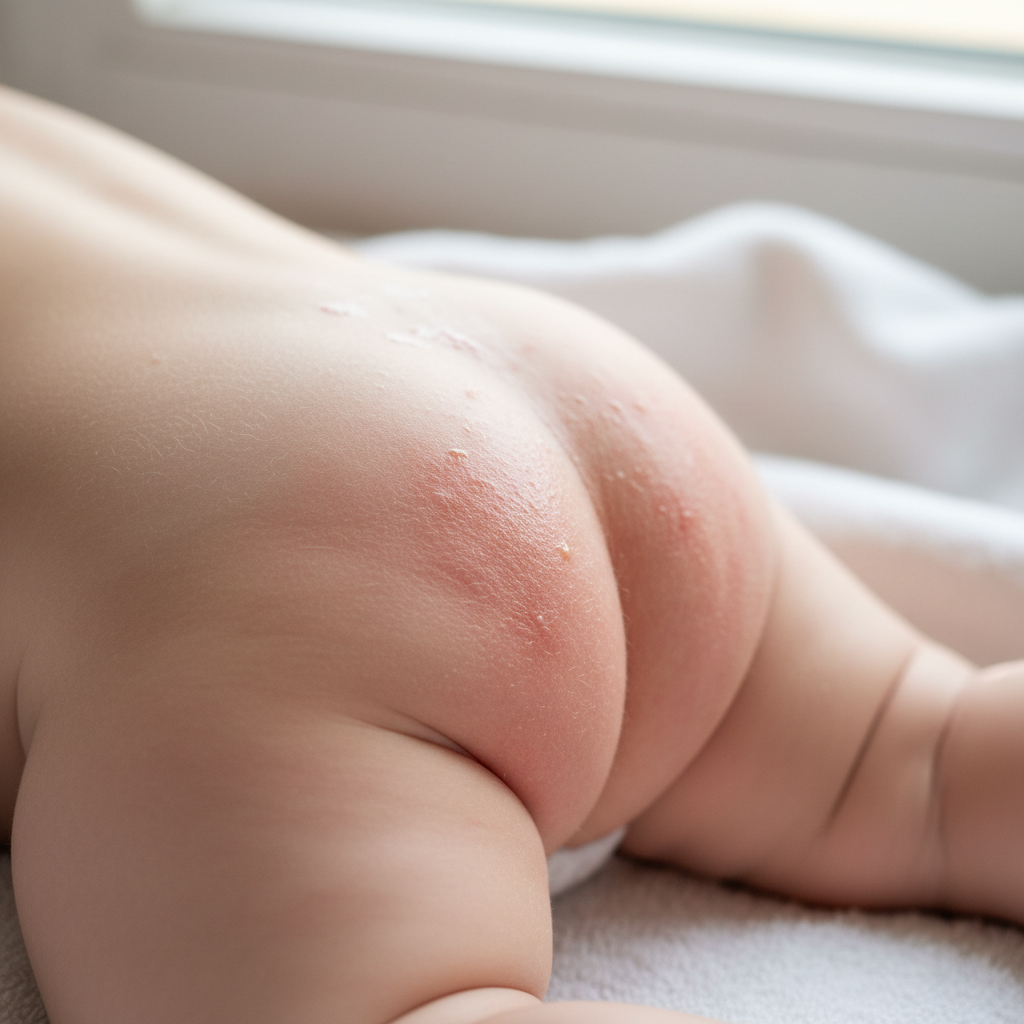
Severe Pediatric Atopic Dermatitis
Score change
SCORAD 72 → 9
Time
10 weeks
Protocol: Proactive topical + trigger elimination
Male, 4 years
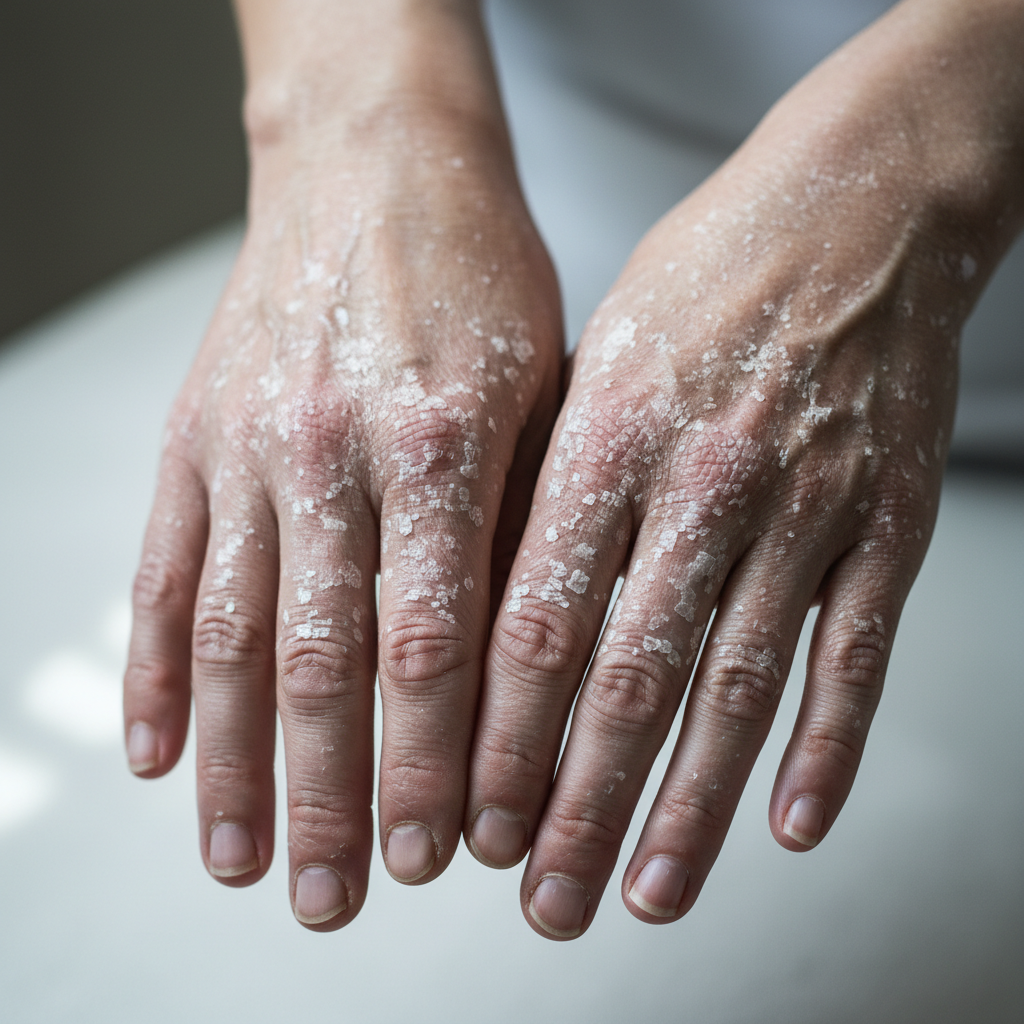
Chronic Hand Eczema — Adult
Score change
IGA 4 → 1
Time
8 weeks
Protocol: JAK inhibitor + patch-guided avoidance
Male, 52
All clinical photography used with written patient consent. Individual results vary. Severity scores (EASI, SCORAD, IGA) are validated instruments used in published atopic dermatitis research. Photographs are desaturated for clinical clarity.
Your skin deserves a specialist,
not another cream.
The intake form you completed above already tells us where to start. The assessment takes 90 minutes. Most patients leave with a written plan.
Your Eczema Trigger Checklist
A 47-item clinical checklist used in our intake process — free to download. Identify environmental, dietary, and microbial triggers before your first appointment.
94%
Patients see improvement within 90 days
12+
Years average patient history at intake
4 hrs
Average response time after booking